
Substance Use Disorder
A psychiatrist can help you recover better. A holistic residential treatment under the supervision of a multidisciplinary team of psychiatrists, psychologists, and social workers, would be beneficial for the recovery.
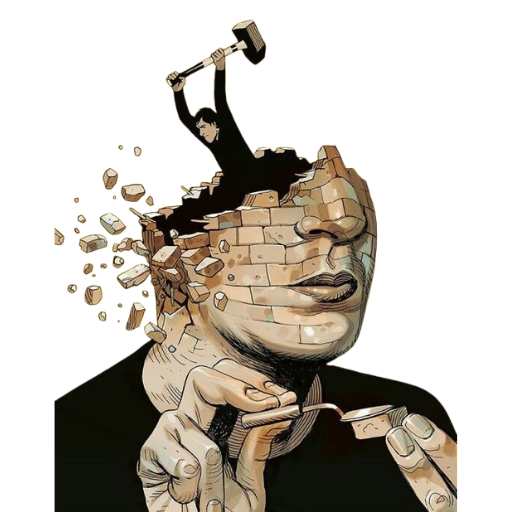

Substance Use Disorders
Substance use disorder is a mental condition when a person is unable to control their use of substances whilst knowing their adverse effects. The use off drugs And similar stimulants generally begins with recreational use for pleasure however, they can have serious repercussions on an individual’s well-being.
Once a person’s use goes spiral, the ripple effect takes place, impacting the individual’s perception of themselves and others around them. The preceding phase then becomes chaotic, impacting an individual’s work and relationships. Deterioration in health also becomes visible.
Whether it’s an abuse of Prescription Drugs, Illegal Drugs, Alcohol, Solvent or Legal Highs ” the withdrawal phase is both harsh and unbearable; with many not able to sustain a substance abuse free lifestyle.
Symptoms
Each and Every individual’s body is unique, and therefore, their experiences differ from person to person. The following is a list of things of recognisable traits.
- Regular urges to take substances.
- Tolerance level increases
- Overspending money on drugs become a regular practice.
- Risk-taking behaviour becomes visible to close family and friends.
- The individual’s Lying behaviour increases
- Interpersonal relationships become chaotic.
- Occupational functioning gets impaired
- Relapse becomes a common feature.
- Cognitive impairment.
Causes
There can be multiple causes of substance use disorder; some common causes may include genetics. A family history of substance abuse will increase the family member’s risk and vulnerability, making them more prone to misusing drugs.
An individual’s early childhood psychological development also plays a vital role; social learning theory, self-esteem, peer pressure, distress, and a child’s coping strategies all play an important role.
Environmental and geographical factors, along with a person’s socioeconomic status, all impact the individual’s lifestyle and attitudes. Hence play an important role in any mental health problem.
Treatment
An individual often neglect
their problems with substance abuse as they feel they are in control and can become drug-free on their own. Most of the time, this is a myth. Without professional diagnosis and supervised treatment, substance use disorder can be life-threatening.
Rehabilitation:
Health professionals now believe that rehabilitation programs between
3 – 9 months are required to achieve balance and control. Even after this period; long term
Follow-ups are crucial to sustaining a drug-free lifestyle.
Medications:
For different substance disorders, different cessation treatments are given by the mental healthcare professional. In order to prevent other side effects and withdrawal symptoms such as insomnia and delirium require, different sub-treatment plan.
Psychotherapy:
For psychotherapy to work, intensive motivation is required. Motivational Enhancement Therapy is used to deal with cognitive barriers, and other therapies are introduced. Medications and psychotherapy go along with each other for better results.